# NEWS UPDATED!

Our official webpage is currently down. =(

please read here.


Check out EMAN's official website here! =)


2009-10-09

BIOREACTOR TRAINING

On 6th and 7th of August 2009, a workshop on Bioreactor Operation was held in Physiology Teaching Laboratory, School of Pharmaceutical Sciences, Universiti Sains Malaysia. The workshop was organized by Pharmacology and Physiology Department, School of Pharmaceutical Sciences; USM in collaboration with Intran Technologies Sdn. Bhd. Intran Technologies Sdn. Bhd. is the company who supplied and maintained the bioreactor unit owned by the school.


15 participants whom were postgraduate students from School of Pharmaceutical Sciences, School of Biological Sciences, INFORMM and also Malaysian Institute of Pharmaceuticals and Nutraceuticals (iPHARM) participated in the two days workshop. In addition, there were 5 staffs from Intran Technologies Sdn. Bhd., who joined the workshop. The facilitator of the workshop was Mr. Mohd Rizal, a bioprocess expert from Universiti Putra Malaysia.


The workshop conducted involved lectures of theories and explanation regarding the bioreactor unit and components and their respective functions. The facilitator also conducted the workshop in laboratory session, to give deeper explanation about the bioreactor unit and its components to the participants, so as to increase participants’ understanding regarding the theories given in lectures. The facilitator did also show the basic operation of the bioreactor unit during the laboratory session. The bioreactor unit used in this workshop was of 3L working capacity. The bioreactor unit used as the model for this workshop is the unit which is currently located in Immunopharmacology Laboratory (J02-119).
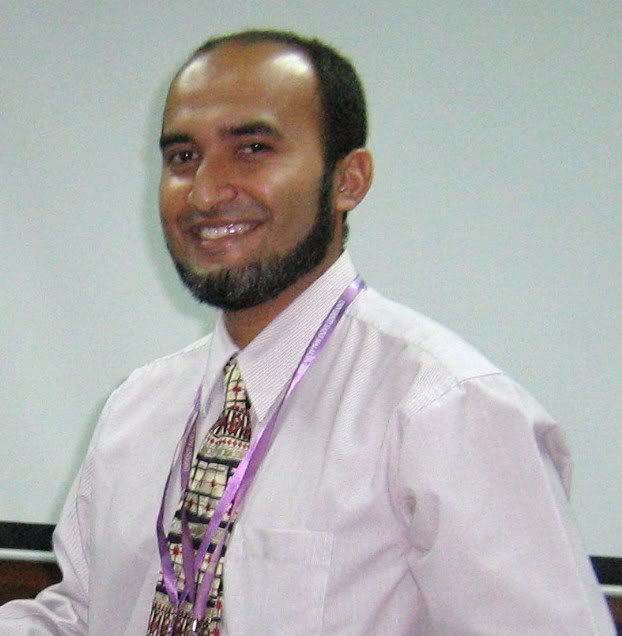
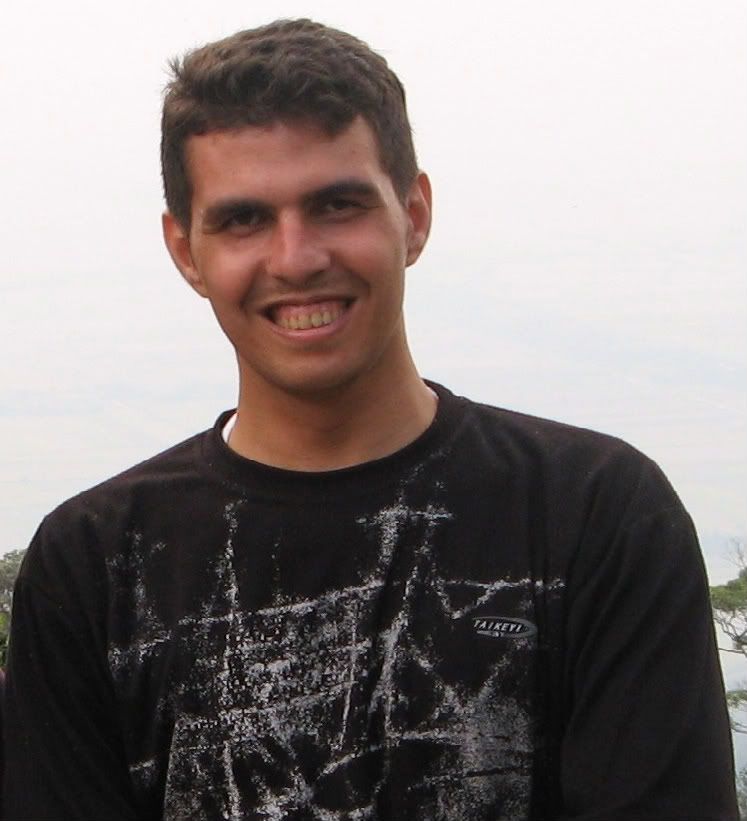
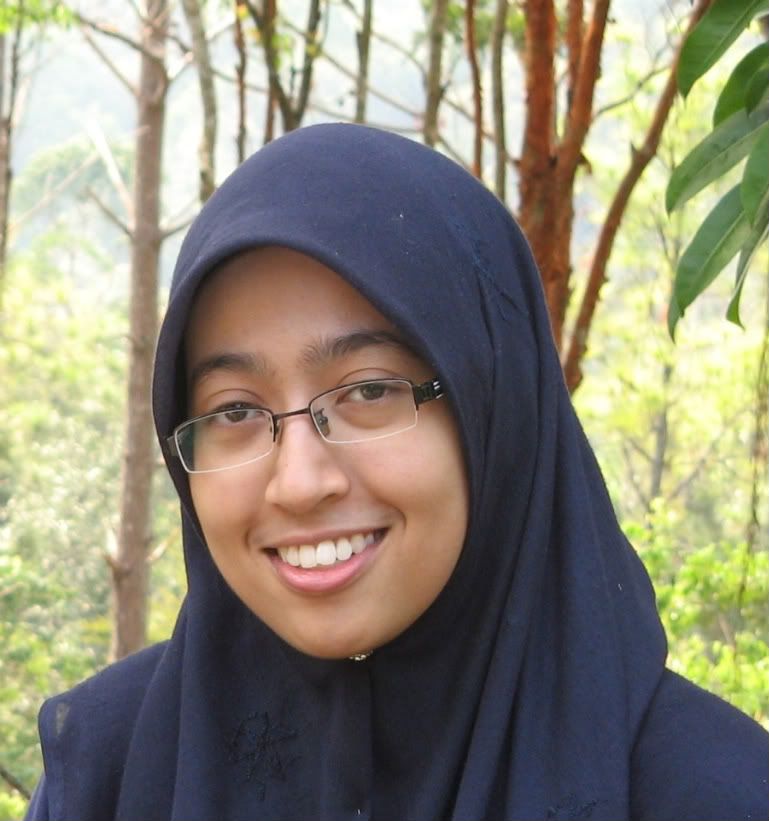
-written by Syima-

2009-10-04

Dr. Amin Malik Shah Bin Abdul Majid


Lecturer
School of Pharmaceutical Sciences, Universiti Sains Malaysia
Minden, 11800 Penang, Malaysia
Tel: 604-6577888 Ext. 4582
Email: : aminmalikshah@usm.my
Fax: 604-6570017

Education:

BSc.(Auckland),PGDip.Sci.(Auckland) M Sc. (UNSW,Aus.), Ph D. (UNSW,Aus.)

Discipline:

Pharmacology

Research Interest:

Cancer is fatal disease that is affecting one in every five Malaysians. The treatment success varies considerably with early detection being the most important factor. Chemotherapy is the mainstay for cancer treatment but it can cause adverse side effects and is highly unaffordable particularly the more modern drugs. The main aim of our research activity is to find cheap anti-tumor agents that also have fewer side effects.

We are interested in natural products that cause inhibition in blood vessel development, a process commonly referred as antiangiogenesis. This process is vital for tumor growth and is the key step for metastasis. Antiangiogenic agents are generally non-cytotoxic hence have fewer side effects. One of the emerging techniques in treating cancer is to couple antiangiogenic agents with classical chemotherapy. This has shown marked improvement in prolonging survival of cancer patients. The new antiangiogenic drugs however, are unaffordable to the general public. With the aid of the NaPIMM molecular modeling software package developed in USM by Habibah Wahab and coworkers, our team identified a series of plants that have compounds which can target the VEGFR2 receptor, a key receptor in angiogenesis pathway. By using an ex-vivo 3-Dimensional tissue culture technique, we screened standardized extracts of the potential plant short listed in NaPIMM for any antiangiogenic activity. We identified Bitter melon, Nutmeg and Misai Kucing to be amongst the most active plant species. We were able to distinguish the solvent system that gave the strongest response and the optimum dose required. We are currently co-administering classical chemotherapy agents with these extracts to see any synergistic activity in vitro and in vivo tumor models. We are also interested in looking at the genes that are being perturbed by co-administration of these extracts with classical chemotherapy drugs in the angiogenesis and carcinogenesis pathways. In the out set of this work, we are interested in how chemotherapeutic agents interact with the nucleic acid. By employing mass spectrometry machines, we are able to pin point the exact location of drug binding on the DNA. This information helps us to better design chemotherapeutic agents that interact with the DNA in a more sequence specific manner. We are currently developing a peptide based molecule that targets the hypoxic responsive element which activates VEGF. We hope this molecule is able to demonstrate potent antiangiogenic response.

Muath Hekmat Helal


A Lil Bit About Me :

Muath was born and grew up in small village surrounded by olive and orange trees named Qalqilia, Palestine. He graduated form Pharmacy school from the An-Najah National university in 2007. He joined Pharmacology department at Universiti Sains Malaysia in 2007 under the supervision of Dr. Amin Malik Shah Abdul Majid. During his master work, he had to work with different techniques and machines such as spectroscopy, cytotoxicity, and angiogenesis. He was more interested furthering his studies, therefore he proceeded with his master directly after graduation. He was awarded a scholarship from Malaysian Government during his Master studies. His research area is in Cancer pharmacology and focused on DNA and DNA-binding agents for treatment. Here, he lives happily in lovely-flat nearby in Penang.

Research Interest:

I am interested in studying DNA binding compounds. My main purpose for these is cancer treatment, but keeping in mind viral treatment as well. For the past several decades DNA has been the main target for cancer treatment. Unfortunately, these compounds tend to cause side effects including cancer. The main reason for causing side effects is the lack of sequence selectivity. These compounds do not have the ability to discriminate between DNA sequences. I am interested in studying the mechanism of how these compounds tend to bind with DNA in order to modify or synthesis new compounds that would have better sequence specificity. I am also interested in gene therapy as a potential cancer treatment method. Although peptide compounds might have better selectivity, it is known to have some difficulties in administering the products to human body.

Norshirin binti Idris


Research Interest:

Development of tumors is a highly complex process in which several molecular events are required for tumor cells to achieve independent growth. One such event is the enhancement of angiogenesis. Angiogenesis is the formation and growth of new blood vessels. It occurs in the healthy body for healing wounds and for restoring blood flow to tissues after injury or insult. Therefore angiogenesis is a necessary component of normal tissue repair, tumor growth and a wide variety of other inflammatory and pathological process as well. The normal healthy body maintains a perfect balance of angiogenesis modulators. For this reason, antiangiogenic therapies aimed at halting new blood vessel growth are being developed to treat diseases that involves angiogenesis such as cancer, diabetes retinopathy and rheumatism to name a few.

Mixtures of interacting compounds produced by plants may provide important combination therapies that concurrently have an effect on multiple pharmacological targets and provide clinical effectiveness beyond the reach of single compound-based drugs. The chemotherapeutic agents can be combined with botanical therapeutics, the plant-produced compounds which are used to treat and prevent diseases or maintain health and wellness.

Mitragyna speciosa or locally known as ketum was found to contain various alkaloids which makes it useful in the treatment of hypertension and boost the immune system. It was also found to contain some antioxidant compounds, which usually tend to have antiangiogenic properties. From the molecular modeling packages, the results showed that the plant product exhibits the antiangiogenic activity. For that reason, my work is to prove that the plant product is antiangiogenic and if so, to determine the mechanism that synergize the activity on how these extracts would be beneficial to perturb tumor growth.


Zena A. Abdul Hameed


Research Interest:

My project about the benzimidazole derivatives and their anticancer activity. As we know that the benzimidazole had wide biological activities like anti-inflammatory, antibacterial, antihypertensive and others. Also it’s well known anticancer agents due to their good topoisomerase I inhibiting action and DNA binding activity. DNA-topoisomerases are enzymes present in the nuclei of cells where they catalyze the breaking and rejoining of DNA strands hence controlling the topological state of DNA. Recent studies also suggest that topoisomerases are involved in regulating template supercoiling during RNA transcription. The antitumor activity associated with agents which are topoisomerase poisons is associated with their ability to stabilize the enzyme-DNA cleavable complex. This will prevent DNA proliferation which is an important stage in the growth of the cancer cells.

Nozlena Binti Abdul Samad


A Lil Bit About Me:

Nozlena Binti Abdul Samad was born on August 8 in Penang , Malaysia.She is the youngest child in a family of three. She happily lived in Bayan Lepas,Penang until finishing her High School.She had her early education at Sungai Ara Primary School and her secondary education (high school) at the Sungai Ara Secondary School.She did her Diploma in Science, Uitm in year 2004, Malaysia and received her BSc (Hons) in Biohealth from UM, Malaysia in year 2007. Currently she is registered to receive her Master degree from Advanced Medical and Dental Institute, USM. The title of her research is “Anti-angiogenic properties of Labisia pumila and its components”. Her research is being supervised by Dr Gurjeet Kaur a/p Chatar Singh (AMDI), Dr Amin Malik Shah Abd Majid (School of Pharmaceutical Sciences) and Dr Tan Mei Lan (AMDI ), Universiti Sains Malaysia. Her research area is in molecular pharmacology. Topics of M.Sc , posters and as well as her oral presentation , reflect her work and involvement in various techniques and machine handling such as angiogenesis , basic cell culture, media preparation, culturing techniques , cell maintenance, cytotoxicity , apoptosis and spectroscopy machine (Fourier Transform Infrared Spectroscopy,Gas Chromatography-Mass Spectroscopy). She was a recipient of the Academic Staff Training Scheme (ASTS) Scholarship.

2009-09-25

ANNOUNCEMENT

  1. 22 October 2009 


[read more]